

Mobile battery processing takes recycling on-site for UK recyclers
As lithium-ion batteries become more difficult and expensive to ship, mobile processing systems offer a safer way to recover valuable materials before transport 15.10.2026As the volume of end-of-life lithium-ion batteries continues to grow, safely transporting damaged or spent battery packs has become one of the industry’s biggest challenges. Transport costs continue to rise, transport and handling requirements add complexity, and concerns over thermal events remain a significant liability for UK recyclers, utilities, insurers, and processors.
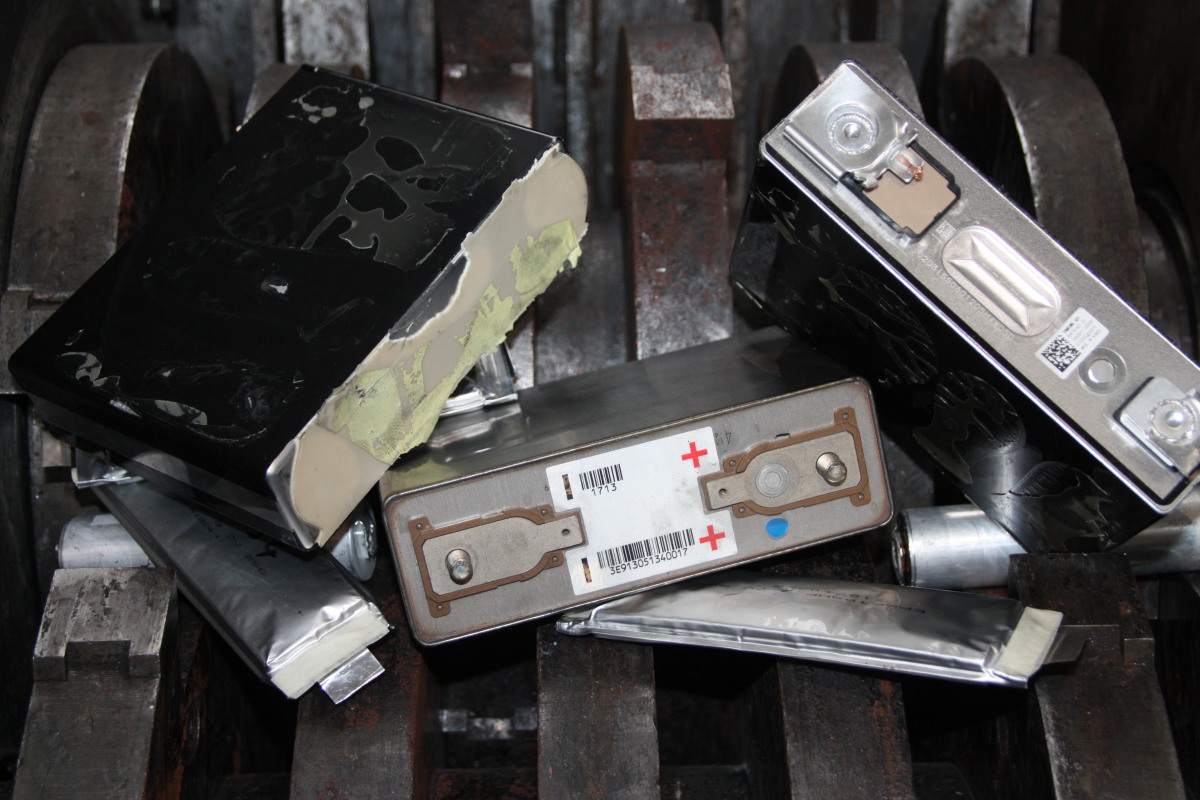
 The system is mounted on two semi-trailers: one houses the shredding and material-handling equipment, whilst the other houses the water treatment and filtration systems
© BCA Industries
According to John Neuens, Industrial Consultant, BCA Industries has spent years evaluating how these challenges can be addressed before batteries ever leave the collection site. BCA provides complete custom recycling systems for complex industrial and commercial applications.
Rather than focusing solely on improving transport practices, the company began exploring whether batteries could instead be processed into a substantially inert material on-site, reducing both safety risks and other burdens associated with moving hazardous battery packs.
“The biggest problem with transporting lithium-ion batteries isn’t simply the cost or the fact that they are regulated as hazardous materials. The real issue is that they are inherently dangerous to move,” explains Neuens.
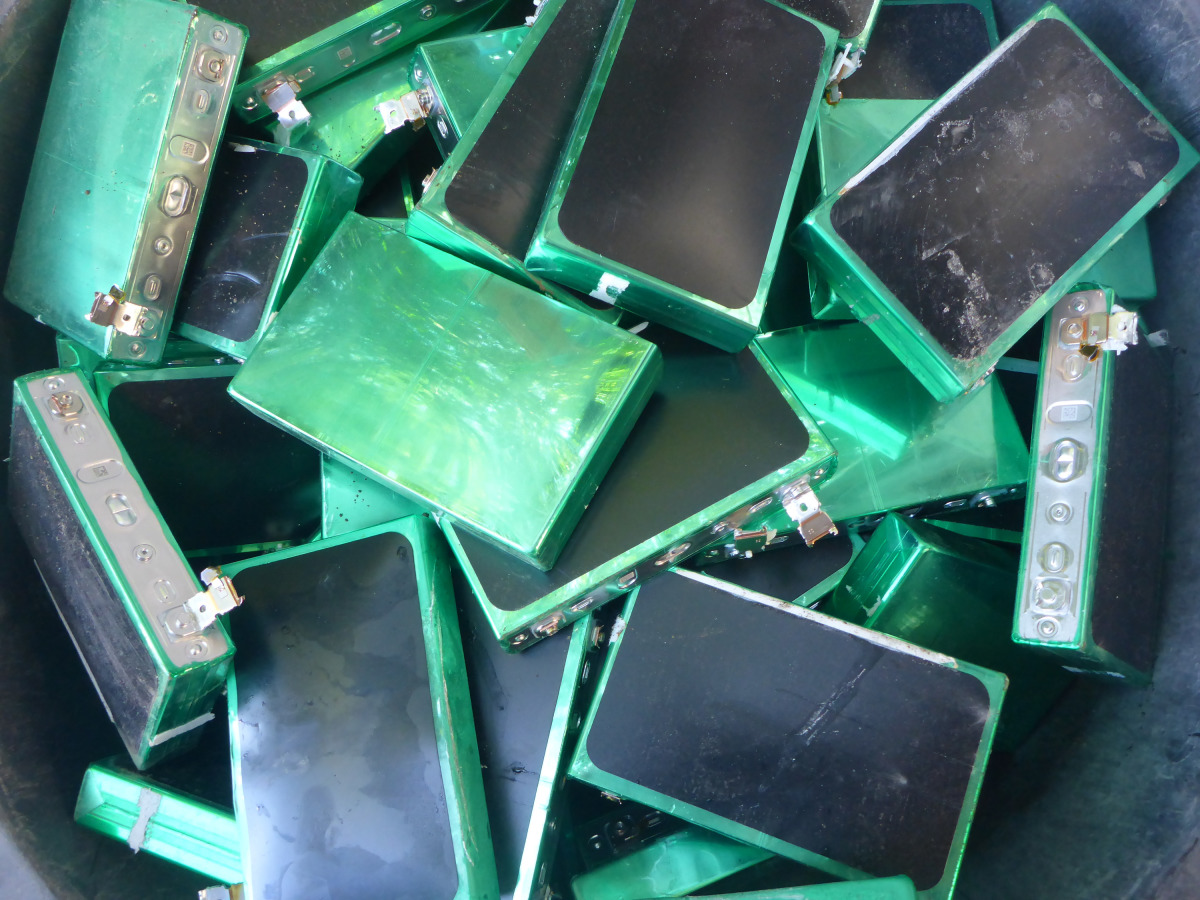
 The mobile plant comprises the essential components for safely shredding batteries, recovering valuable black mass and preparing the remaining material for transport
© BCA Industries
Those discussions extended well beyond recycling companies. Neuens says BCA met with insurance providers involved in lithium-ion recycling operations, processors, and clean-up projects to better understand where the industry's greatest exposure exists. A consistent theme emerged: insurers were far more interested in eliminating transport risk than simply managing it.
“Those conversations made it clear they were very interested in a system that could take batteries to a relatively inert state before transport,” says Neuens. “If the material can be stabilised on-site, it becomes much safer to ship.”
He adds that in many cases, recycling facilities simply are not located close to where batteries reach end of life. Instead of transporting large volumes of batteries long distances, a mobile recycling system can be brought directly to the batteries. That not only shortens the chain of custody but also reduces liability by eliminating multiple handling and transport steps where problems are more likely to occur.
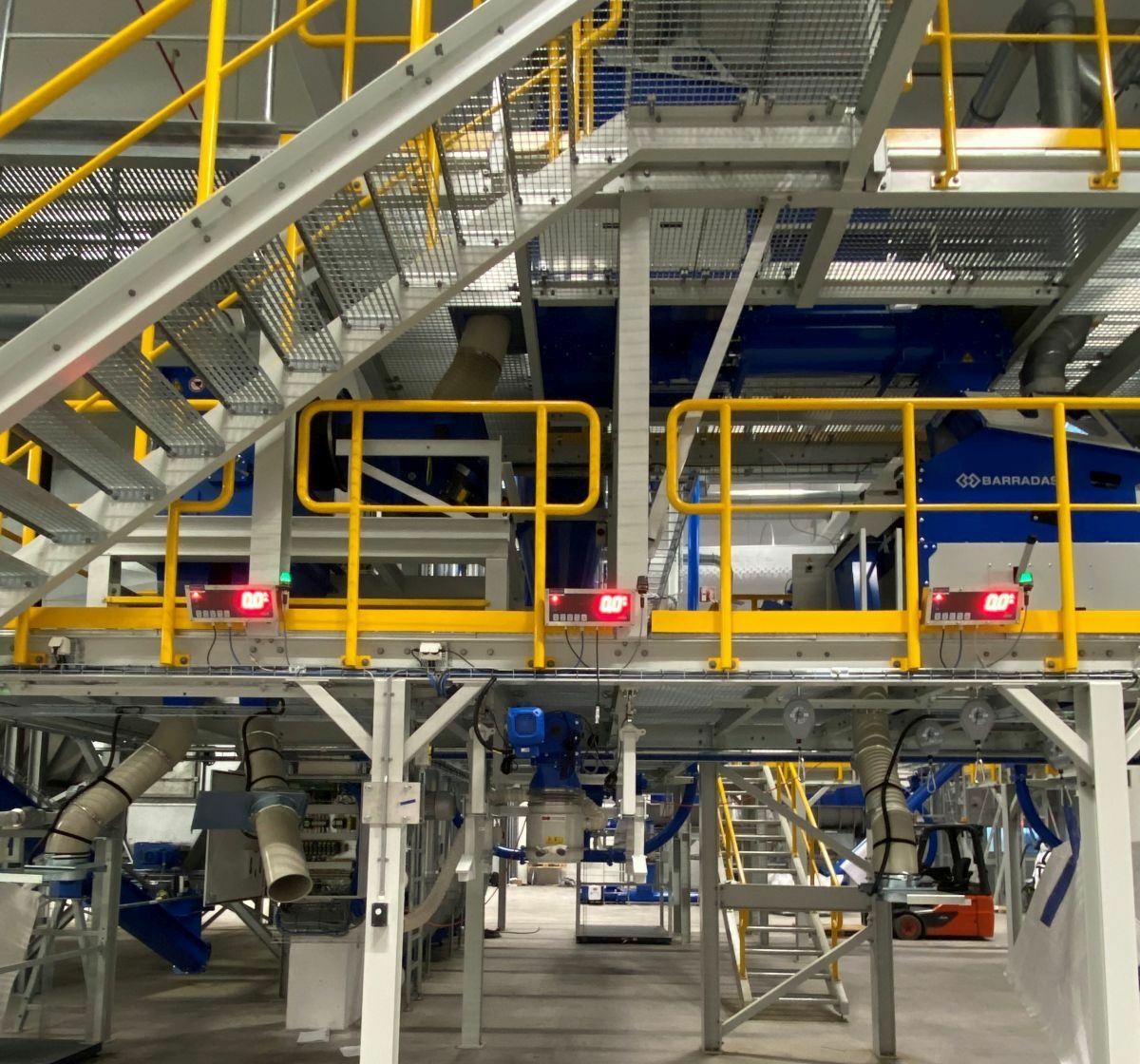
 Instead of transporting large quantities of batteries over long distances, the mobile recycling system can be taken directly to the batteries
© BCA Industries
Those conversations ultimately led BCA to begin designing a portable version of its established battery recycling technology. Rather than replicating a full-scale processing facility, the mobile platform incorporates the critical components required to safely shred batteries, recover valuable black mass, and prepare the remaining material for transport without the complexity of a permanent installation.
The system is designed around two semi-trailers. One houses the shredding and material handling equipment, while the second contains the water treatment and filtration systems that separate recovered black mass from the remaining materials. BCA packages the recovered material in a way that allows the material to stabilise before transport , providing additional assurance that no residual chemical reactions remain active.
From a technical standpoint, the portable system relies on many of the same core engineering principles used in BCA’s larger recycling plants. The batteries are shredded within a sealed nitrogen and water environment, while agitation and controlled water separation recover black mass without excessively reducing the remaining materials into fine particles.
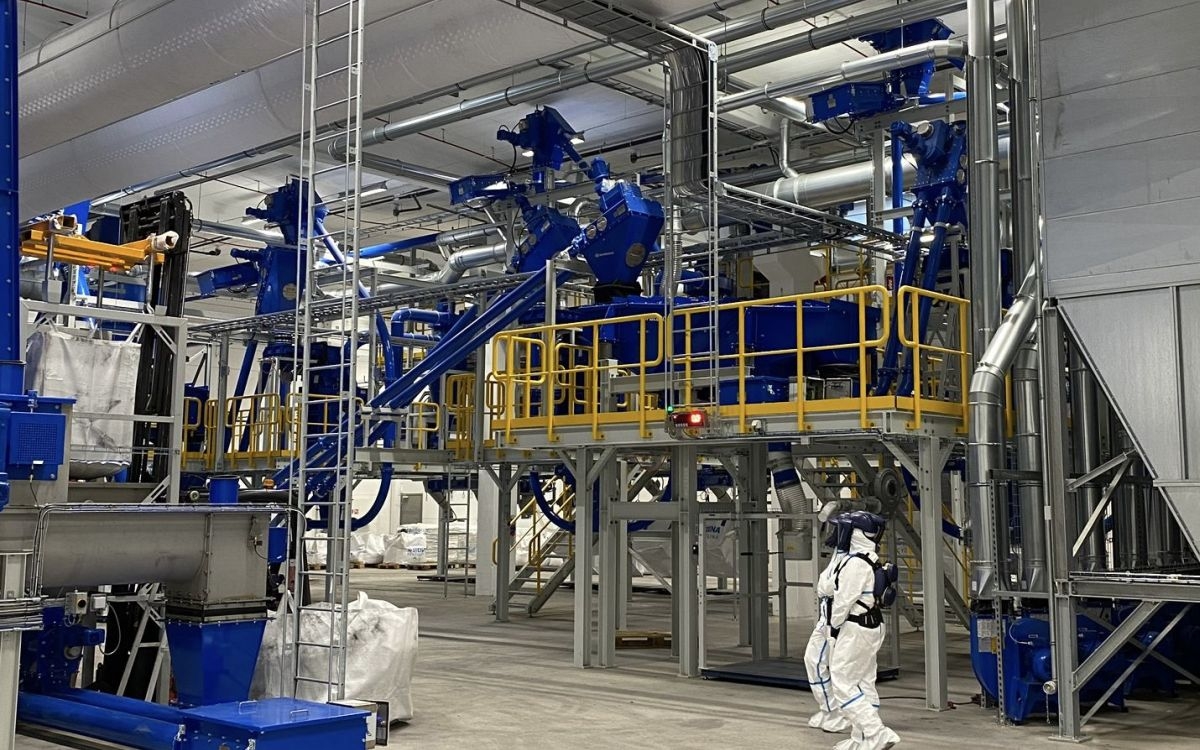
 BCA fills the recovered material into steel drums rather than bulk bags. This allows the material to stabilise before dispatch, providing additional safety
© BCA Industries
An inert nitrogen environment can help prevent thermal runaway by substantially reducing the available oxygen concentration, which is crucial for combustion and the propagation of a fire within a battery experiencing thermal runaway. This can effectively “smother” the reaction and prevent it from escalating further.
Although the mobile platform simplifies the overall process, it still captures approximately half of the available high-purity black mass during initial processing. That material can often be sold directly into established recycling markets or through specialist brokers, providing UK operators with an immediate revenue stream while substantially reducing transport hazards.
“Most industry professionals have come to realise that the economics of recycling lie not just in metal separation, but in recovering black mass,” says Neuens. “Black mass after filtration to pCAM [a precursor cathode active material] can go right back into new battery production or into new products and applications, which is why it has value. Almost all the value is in the lithium and the black mass.”
Recovered inert material is then transported to qualified downstream processors for further refining and purification. By converting batteries into a more stable material before transport, BCA believes many of today’s logistical and insurance challenges can be reduced significantly.
The first deployment is expected to support clean-up work involving large quantities of lithium-ion battery packs. While the system can process multiple battery chemistries and formats, including pouch cells, cylindrical cells, and modules, Neuens notes that each presents different operational challenges. Pouch cells, for example, generally produce higher black mass recovery but also require greater attention because of their increased chemical reactivity during processing.
Even so, the system can be configured to accommodate these variations, allowing processing parameters to be adjusted for different battery chemistries and form factors while maintaining safe, consistent, and efficient operation.
Neuens believes mobile processing represents the logical next step for large segments of the battery recycling industry. Processing batteries as close as possible to where they are stored reduces transport exposure, shortens liability chains, and allows clean-up projects to begin without waiting for permanent processing capacity to become available.
Although permanent battery recycling facilities will continue to play a central role, Neuens envisages portable processing systems providing an additional option for UK utilities, battery collectors, clean-up contractors, and organisations managing large inventories of end-of-life lithium-ion batteries.