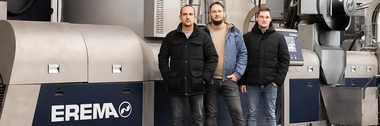
Long-standing partnership, impressive technology and reliable support – RE-PLAST once again relies on EREMA for its new recycling line: With the recently installed INTAREMA® 1714 TVEplus® DuaFil®...
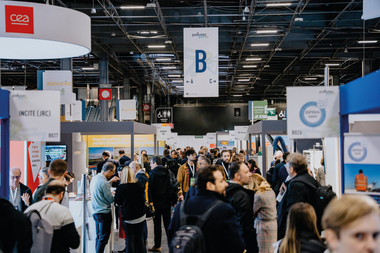
Dear Readers, the highlight of the year was truly the highlight of the year! At IFAT in Munich, we had many great conversations, gained first-hand insights, learned about forward-looking developments, and even shared a few personal exchanges.
The IMS 2 combines advanced high-end sorting technology with the flexibility and cost-efficiency of mobile systems. With this solution, Doppstadt and RTT System GmbH close a critical gap in the...
In its 60th anniversary year – since 1966, IFAT Munich has been the global meeting place for environmental technology industry – the world-leading trade fair is celebrating new record figures. Around...
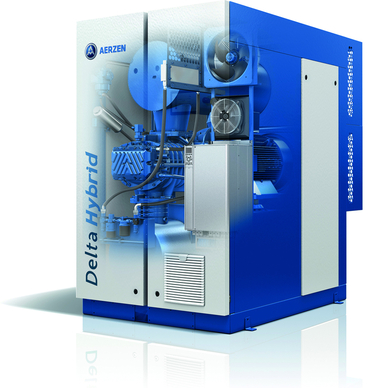
AERZEN is expanding its successful Delta Hybrid series in the lower volume flow range. With the new sizes D11S and D16S, the compressor specialist is further expanding its portfolio of directly-driven screw blowers.
STADLER showcased its STADLERconnect platform at IFAT 2026 through an interactive Demo Loop, demonstrating how data can drive measurable improvements in plant performance and efficiency.
True to its motto “Engineering sustainability”, Bonfiglioli develops, designs, and manufactures customized solutions for the collection, shredding, and sorting of waste materials to make recycling as efficient as possible.
The plastic recycling industry – which is of immense importance for climate and resource protection as well as for reducing dependence on fossil fuel imports – urgently needs new impetus nationwide to boost its competitiveness.
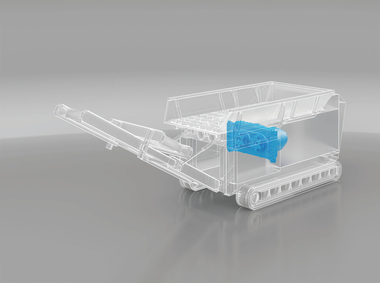
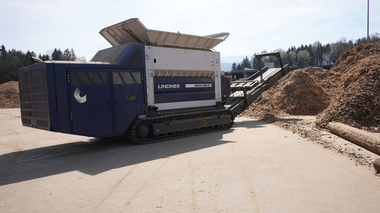
The Merak 2800 mobile universal shredder series gets a new diesel-driven version. Thanks to its complete independence from the mains power supply, the new model offers a much higher level of flexibility.