

Why measurement technology is becoming a key factor
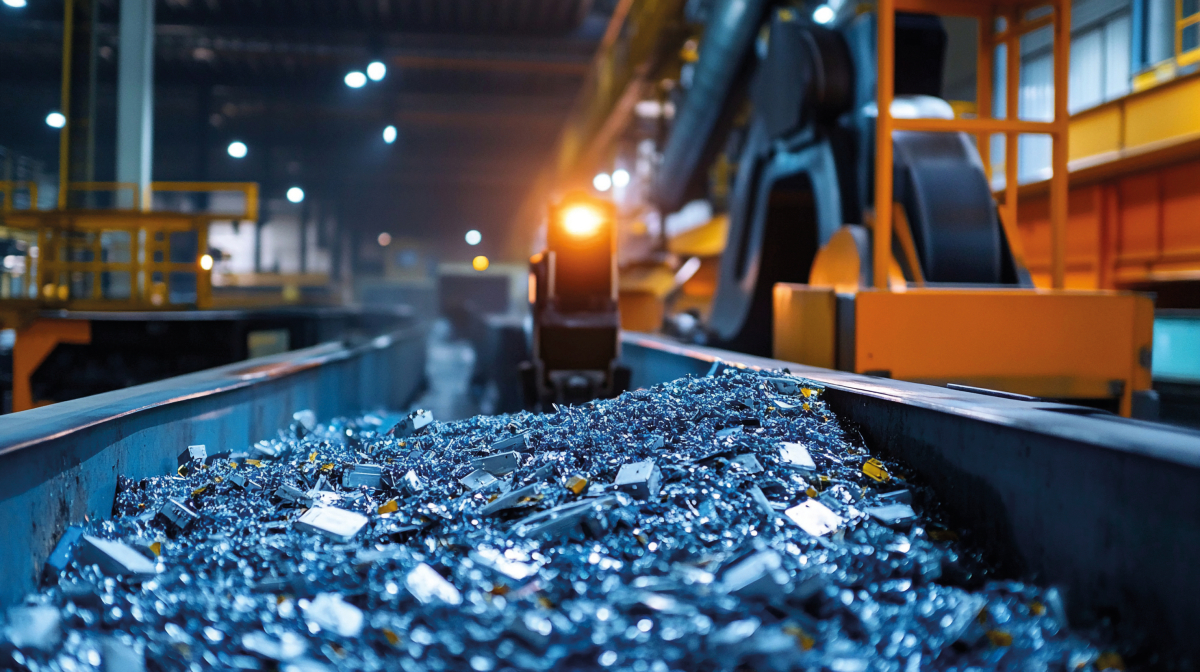


Europe wants to recycle critical raw materials and systematically expand recovery from lithium-ion batteries. However, high recycling rates are not achieved through regulation alone; they arise when it is worthwhile. The decisive factor here is the hydrometallurgical processing of black mass and its precise monitoring.
Europe is pursuing the goal of keeping critical raw materials such as lithium, nickel, and cobalt more strongly within its own economic cycle. These metals are key components of lithium-ion batteries and can be recovered by recycling used batteries. Battery recycling thus completes the transition from small collection boxes to a key task of pan-European industrial policy.
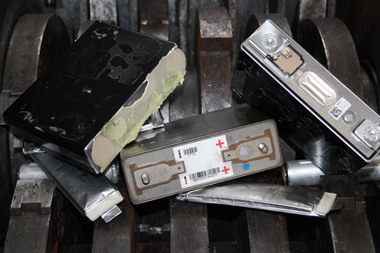
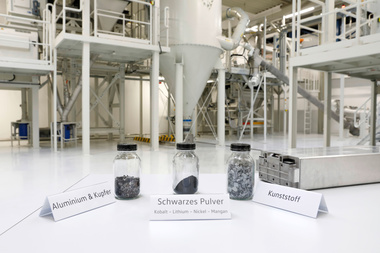
However, whether the targeted recovery rates will be achieved is not decided at the political level, but in the chemical process. Metals must be selectively dissolved, separated with a high degree of purity, and recovered in a reproducible manner. In Europe, the hydrometallurgical route is increasingly establishing itself for this purpose. It allows the targeted processing of black mass from the mechanical pre-treatment of used batteries, which contains the relevant electrode materials with lithium, nickel, cobalt, and manganese.
The focus is on the leaching step. Here, temperature, pH value, concentration, and dosage must be precisely coordinated. Stable and reproducible process control is not possible without powerful measurement technology. This is exactly where Endress+Hauser comes in as a competent and reliable partner.
Focus on hydrometallurgy
Compared to the pyrometallurgical process, in which materials are burned and melted at very high temperatures, hydrometallurgy works in an aqueous phase. The aim is to selectively extract the metals contained in the black mass from the solid matrix and then precipitate them again in high yields, either sorted by type or as a defined mixture. This is also the basis for what is known as pCAM (precursor cathode active material) production, in which a precisely defined metal hydroxide mixture is produced as a precursor for new cathode materials – a trend that promises higher margins for recyclers but is much more demanding in terms of the process, as the metal ratios must be precisely adjusted. The leading process variables remain pH value and temperature – the measurement technology used therefore remains crucial. It is precisely this tension between the desired product and yield that makes the process particularly challenging. The leaching step typically takes place in stirred reactors, where aggressive acids or alkalis come into contact with the black mass. Even slight deviations in pH value and temperature can reduce the yield or impair product quality. In addition, there are mechanical stresses caused by abrasive solids and chemical stresses caused by highly corrosive media. Hydrometallurgical processes are therefore not only chemically complex, but also place high demands on the plant technology used.
Measurement technology as a guarantee for process reliability
Temperature, pressure, and level measurements are used to monitor plant safety. For temperature measurement, solutions that do not require direct contact with the medium are ideal, as they prevent leaks and increase the service life of the sensors. Pressure measuring devices with ceramic measuring membranes withstand chemical and mechanical stress and enable reliable monitoring of pipes and pumps. The combination of continuous level measurement with foam detection and limit switches protects against overflow or dry running situations.
Efficient use of resources for optimal results
Process reliability forms the basis for stable plant operation, but does not guarantee a high recycling rate. pH value and temperature are the leading process variables for yield and quality, but this control only works with precise and reproducible dosing of the chemicals used. Accurate quantity measurement is therefore essential. Magnetic-inductive flowmeters offer decisive advantages here, as they work reliably even with aggressive and solid-laden conductive media. They measure with low wear and virtually no pressure loss and, thanks to a 0 × DN full-bore design, sometimes without a lead-in section, which is particularly important in tight installation conditions. A prerequisite for stable measurement is correctly executed potential equalization, which minimizes interference and ensures signal quality. The function of true ground-free measurement is particularly advantageous. This creates a reliable basis for precise control of chemical addition and thus for consistent process quality with low resource consumption.
A focus on auxiliary circuits and energy efficiency
Hydrometallurgical processes are temperature-controlled and therefore rely on external heating or cooling circuits. Measurement technology has a dual function here. On the one hand, it ensures stable reaction conditions and enables targeted energy management. Continuous recording of the heat quantities transferred makes energy flows transparent and reveals potential for optimization. Comparative measurements before and after the reactor enable efficiency losses or leaks to be detected at an early stage. In addition, conductivity and pH measurements ensure the quality of the heat transfer media used. They help to prevent corrosion or deposits. Precise instrumentation thus contributes not only to process stability, but also to the long-term economic efficiency of the plant.
The closed loop begins in the details
Battery recycling is thus becoming a key element of the European circular economy. The regulatory framework is in place and the technological concepts have been established. At the same time, battery technology is constantly evolving. Manufacturers are working to reduce the use of critical raw materials such as cobalt and to use alternative cathode materials. However, this development does not mean a radical change for recycling. Regardless of the specific cell chemistry, the valuable materials contained in the battery mass must be dissolved, separated, and recovered in a defined quality. The hydrometallurgical process chain therefore remains technologically constant.
What is crucial is not the exact composition of the battery, but the ability to process different input materials in a stable and reproducible manner. This is precisely where the value of precise measurement technology comes into play: the wheel of the circular economy keeps turning, and measurement technology keeps it on track.
FMRx0B
The Micropilot FMR10B, FMR20B and FMR30B series is ideal for battery recycling within the circular economy, as its universal applicability for liquids and solids means it can be used in almost all process steps – from storage and process tanks in the hydrometallurgical sector to solids and wastewater applications. Thanks to its non-contact 80 GHz radar technology, it measures reliably without direct contact with the medium, even through the walls of IBC containers, which reduces operating effort and minimizes contamination risks. Standardization – one sensor for many applications – reduces the variety of devices and lowers maintenance costs. In addition, the Micropilot series can accompany the entire scale-up from pilot to production plant, as it delivers consistently the same measurement performance from simple laboratory IBCs to large process vessels.
Heartbeat Technology
In addition, the optional Heartbeat Diagnostics increases process reliability by enabling continuous device monitoring and guided, documented verification without interrupting the process – a significant advantage for stable and sustainable recycling processes. While the FMRx0B covers the frequent standard measuring points in the recycling process, the FMR6xB sensors offer the same Heartbeat philosophy – but extended with deeper monitoring functions for particularly critical and highly dynamic process steps.
iTHERM SurfaceLine TM611
Safe and reliable temperature monitoring is crucial, especially in battery recycling, where aggressive media require high safety standards. As a non-invasive RTD or thermocouple thermometer, the iTHERM SurfaceLine TM611 enables precise measurement without interfering with the process and without additional leakage risks. Thanks to a measuring performance comparable to invasive measurement even under demanding conditions, it quickly delivers stable and accurate values. A specially developed thermal coupling element ensures optimal heat transfer to the sensor for excellent measuring performance that is better than solutions with electronic compensation.